
Radiation Measurement Instrument
Radiation Measurement Instruments Overview
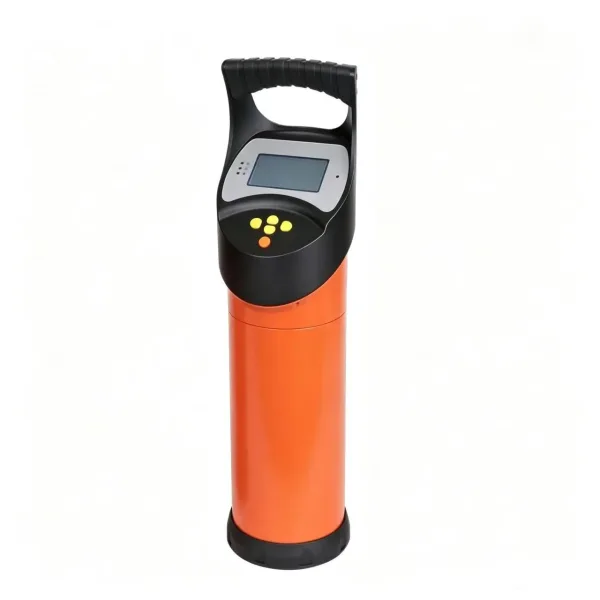
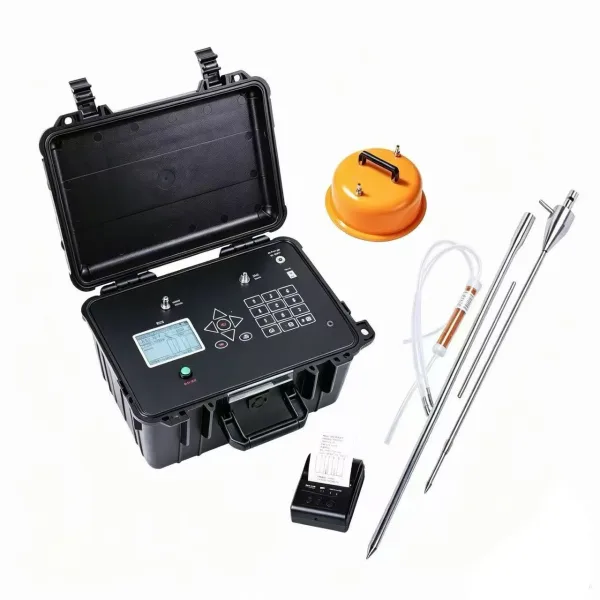
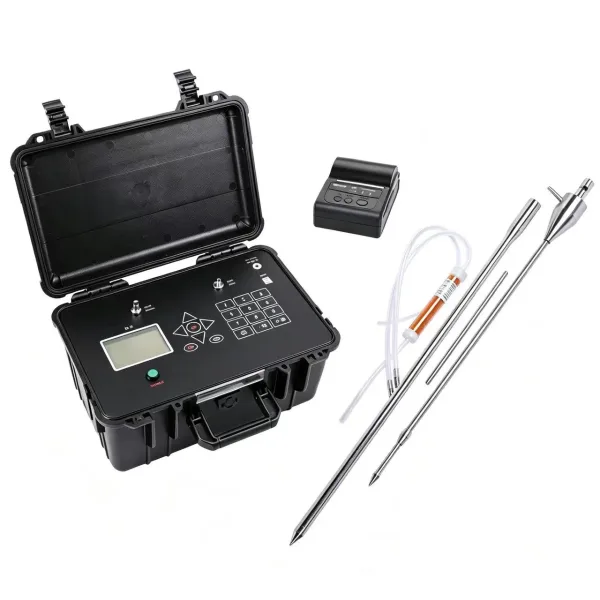
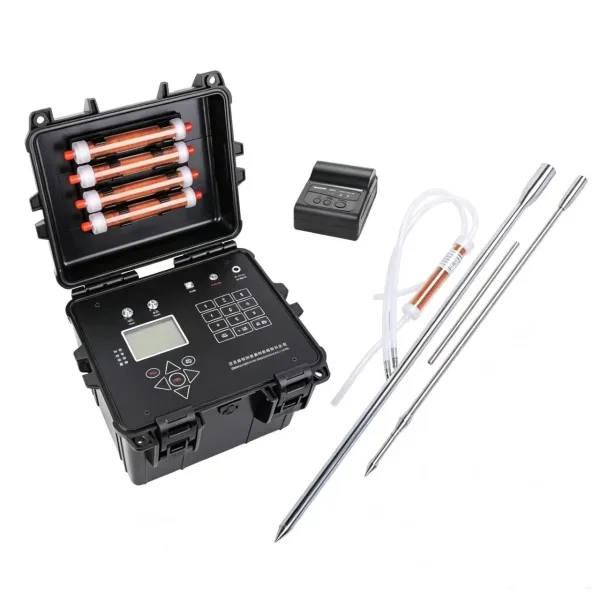
Radiation measurement instruments are essential tools used to detect, monitor, and quantify ionizing radiation in various environments. These devices are critical for ensuring safety in medical, industrial, nuclear, and environmental applications. They help professionals assess exposure levels, verify shielding effectiveness, and comply with regulatory standards.
What These Instruments Cover
Radiation measurement instruments encompass a range of devices designed for different detection needs:
- Geiger-Müller (GM) Counters: Portable detectors for measuring alpha, beta, and gamma radiation, commonly used for contamination surveys and general area monitoring.
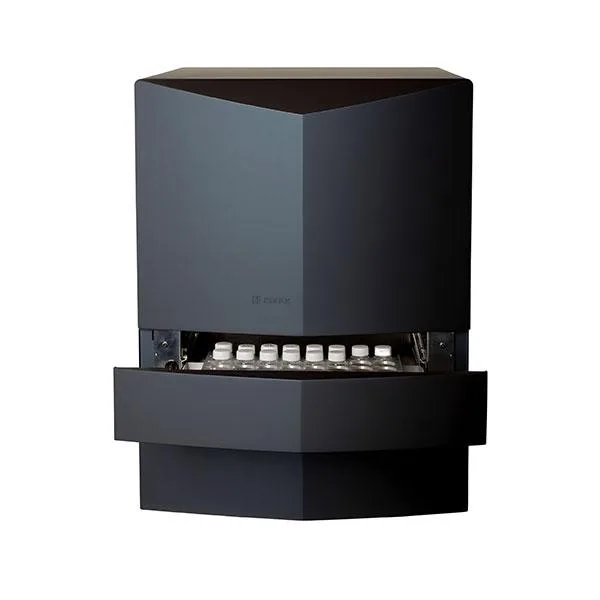
- Scintillation Detectors: High-sensitivity instruments for low-level radiation detection, often used in medical imaging and environmental sampling.
- Ionization Chambers: Accurate dosimeters for measuring exposure rates in medical physics and radiation therapy.
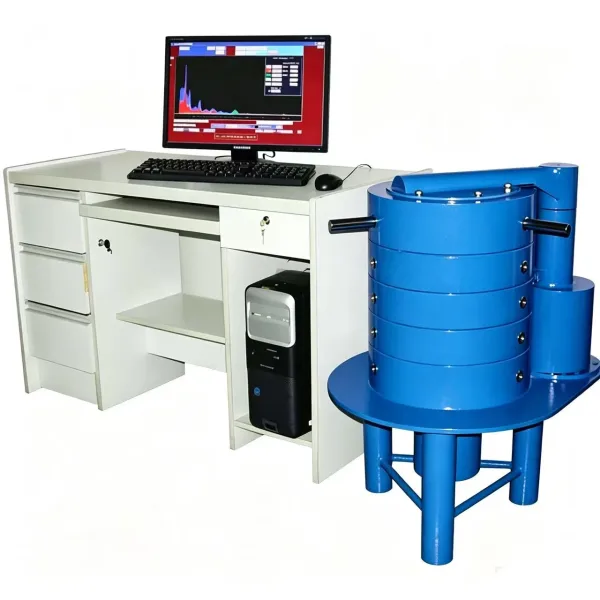
- Spectrometers: Devices that identify specific radionuclides by analyzing energy spectra, useful for isotope identification and research.
- Personal Dosimeters: Wearable devices that track cumulative radiation dose for workers in radiation-prone areas.
Key Strengths of Modern Instruments
Today's radiation measurement instruments offer several advantages:
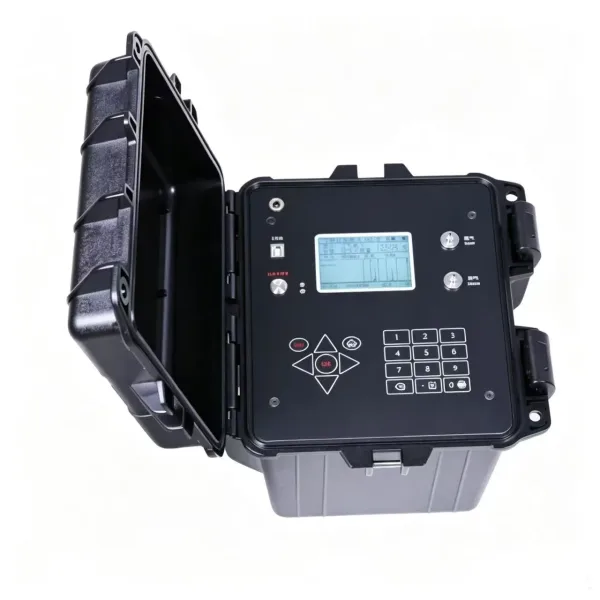
- Portability: Compact, battery-operated designs allow for field use and on-the-go monitoring.
- Real-Time Data: Digital displays and connectivity options (e.g., Bluetooth, USB) enable immediate readouts and data logging.
- High Sensitivity: Advanced detectors can measure very low radiation levels, ensuring early detection of contamination.
- User-Friendly Interfaces: Intuitive controls and clear alarms make them accessible to trained personnel.
- Durability: Rugged construction withstands harsh environments, from industrial plants to outdoor survey sites.
Common Use Cases
Radiation measurement instruments are deployed across multiple sectors:
- Healthcare: Monitoring radiation in radiology, nuclear medicine, and radiotherapy departments to protect patients and staff.
- Nuclear Power Plants: Routine area surveys, effluent monitoring, and emergency response.
- Industrial Radiography: Ensuring safe use of radioactive sources in non-destructive testing.
- Environmental Monitoring: Assessing background radiation levels, soil contamination, and water quality.
- Homeland Security: Screening cargo and personnel for illicit radioactive materials at borders and ports.
- Research Laboratories: Supporting experiments involving radioactive isotopes and ensuring lab safety.
Buyer Notes
When selecting a radiation measurement instrument, consider the following factors:
- Radiation Type: Ensure the instrument detects the specific radiation (alpha, beta, gamma, or neutron) relevant to your application.
- Measurement Range: Choose a device with an appropriate range for your expected exposure levels.
- Calibration: Verify that the instrument can be calibrated to national standards and that calibration services are available.
- Regulatory Compliance: Check that the device meets relevant safety and performance standards (e.g., IEC, ANSI).
- After-Sales Support: Look for suppliers offering warranty, repair, and technical assistance.
About Hoyang Instrument Limited
Hoyang Instrument Limited is a supplier of radiation measurement instruments and related equipment. Based in Hong Kong, the company serves clients globally, offering a range of products suited for various monitoring needs. For inquiries, you can reach them at:
- Address: Unit B, 10F., CKK Commercial Centre, Nos. 289-295 Hennessy Road, Wan Chai, Hong Kong
- Tel: +86 18432448937
- WhatsApp: +86 15361603921
- Email: sales@hoyanginstrument.com
Contact Hoyang Instrument Limited to discuss your radiation measurement requirements and find a suitable solution.
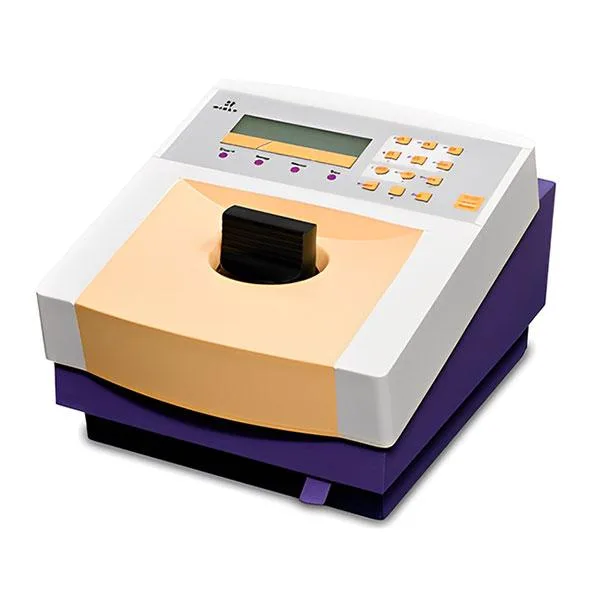
Triathler Multilabel Tester
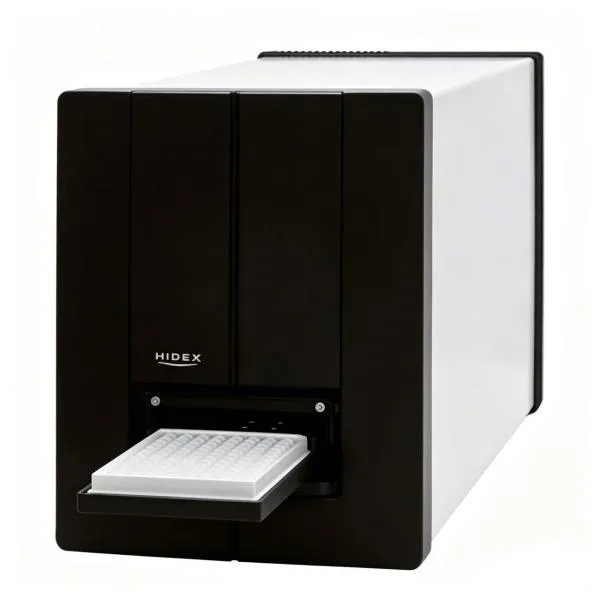
Item No.TriathlerSense Beta Plus Microplate Reader
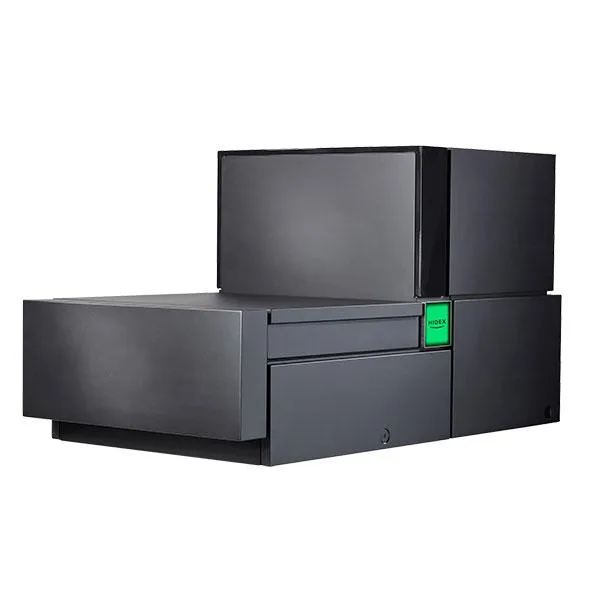
Item No.Sense Beta600SLe automatic TDCR liquid scintillation
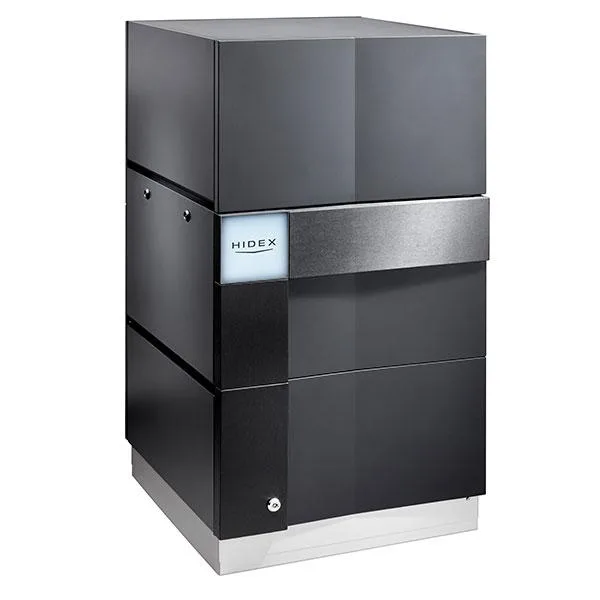
Item No.Hidex 600 SLeULLA ultra low level TDCR Liquid Scintillation Counter
Item No.Hidex ULLA300SL TDCR liquid scintillation Counter
Item No.300SLMulti-channel γ- ray Spectrometer
Item No.Hy-005α Spectrum Radon Gas Monitor
Item No.Hy-001Trace Uranium Analyzer
Portable γ - ray Spectrometer
Electronic Radon Monitor
Item No.HY-003Environmental Radon Monitor
Item No.HY-004RaA Radon Monitor
Item No.HY -002